Featured Projects
American Society of Civil Engineers | ASCE
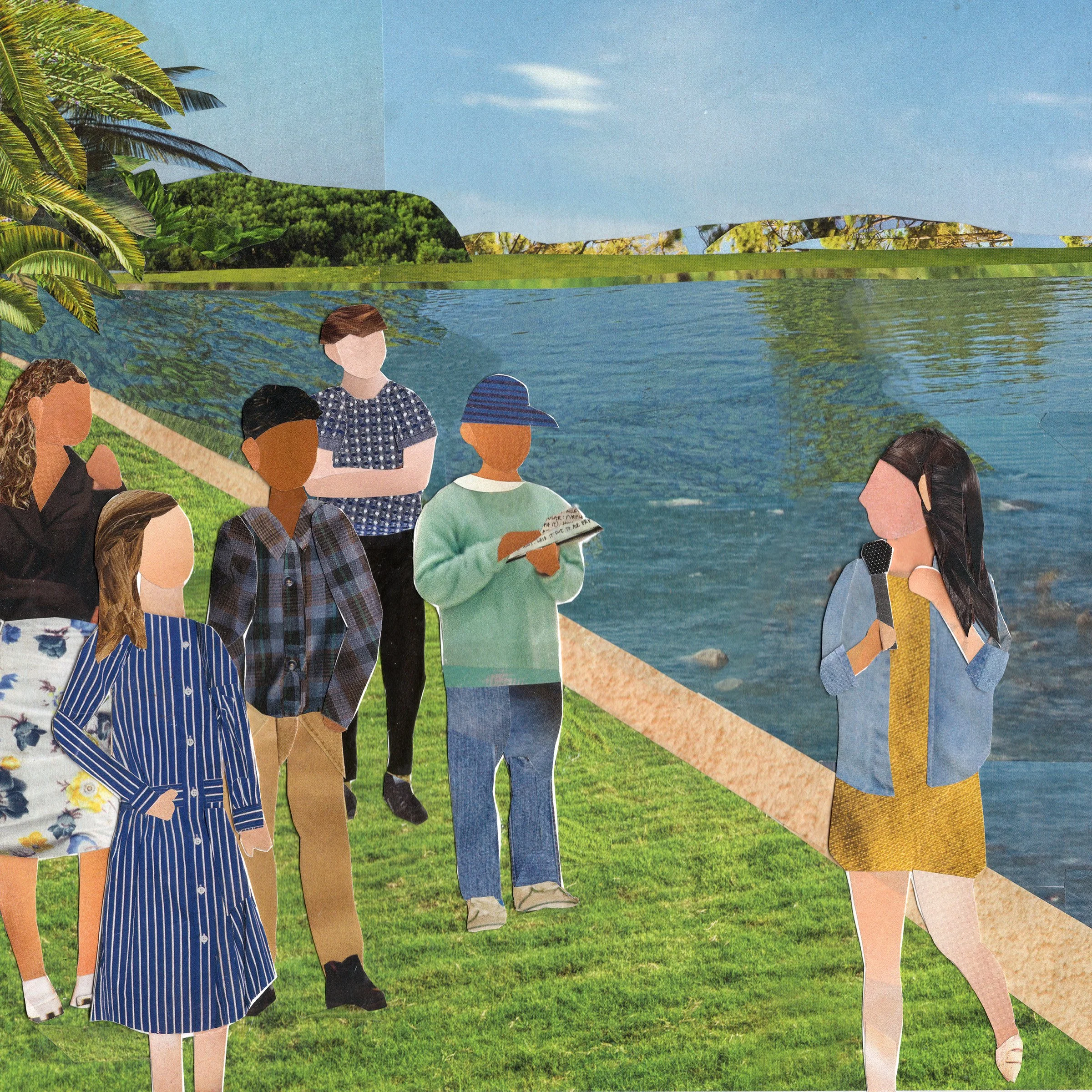
During my time at ASCE, I spearheaded the state infrastructure report card efforts by training civil engineers to distill infrastructure assessments into effective advocacy tools.
Systematically assessed qualitative and quantitative performance indicators – condition, capacity, operations & maintenance, funding, future need, public safety, resilience, innovation – across a broad portfolio of infrastructure and produced actionable management, funding, and policy recommendations.
Crafted each state report card into a compelling resource that influenced a bipartisan array of local, state, and federal policymakers while also piquing the interest of various media markets.
Furthermore, I engaged with a team of national subject matter experts to research, technically review, and publish national infrastructure policy tools and economic analyses:
Mississippi Department of Environmental Quality | MDEQ
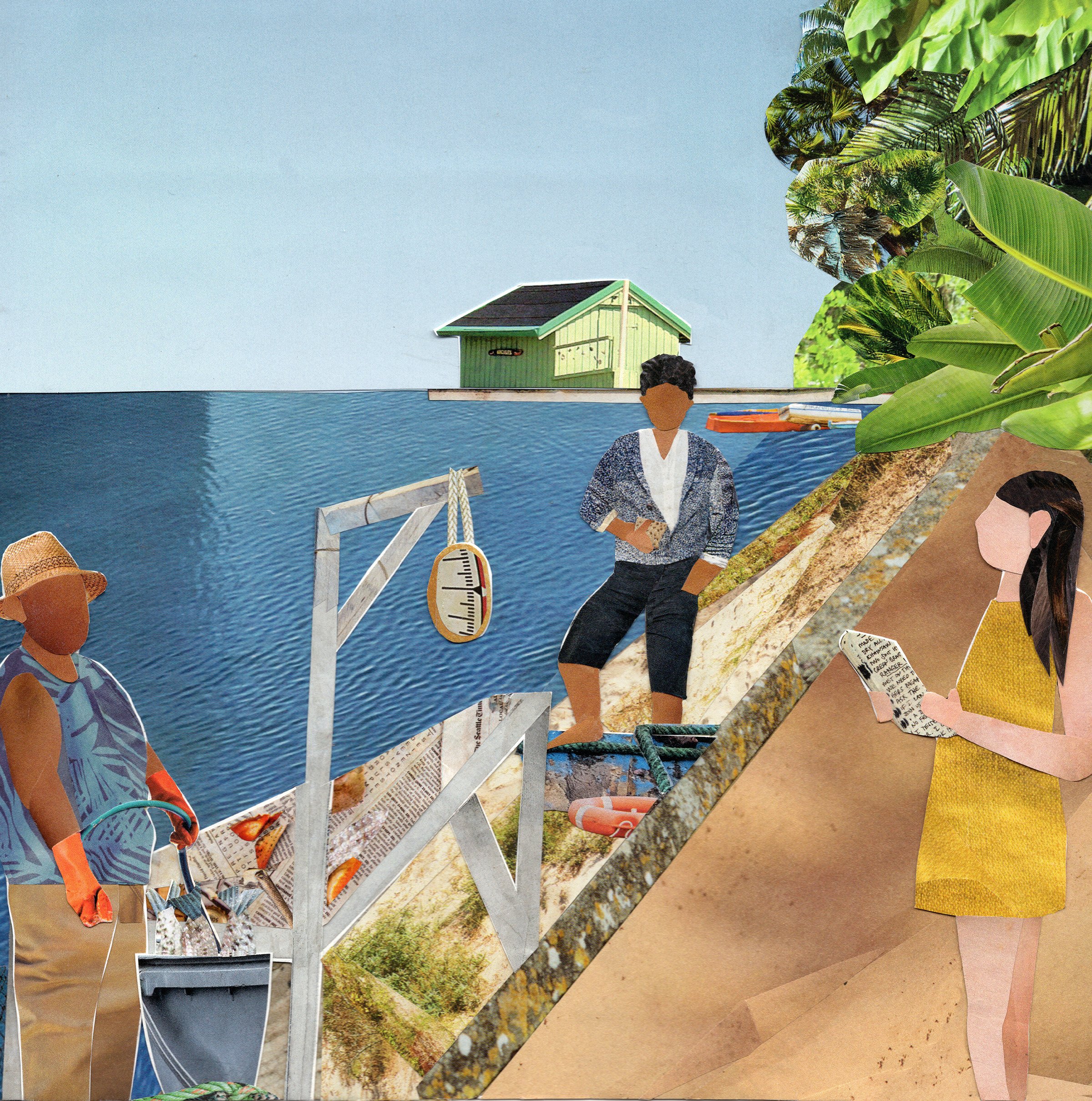
Broadly, I support MDEQ by navigating the complexities of technical, policy, social, economic, and environmental spheres as we collaboratively plan the use of infrastructure funding that informs decision making, builds stakeholder capacity, and implements sustainable solutions.
Supported the development of the U.S. Environmental Protection Agency’s Gulf Hypoxia Program’s grant funding which catalyzes research, stakeholder engagement, and conservation initiatives in Mississippi watersheds to evaluate and reduce nutrient pollution.
Serve MDEQ as a technical and policy liaison for multi-state and federal nonpoint source pollution management working groups within the Hypoxia Task Force.
BlueGAP: The Blue-Green Action Platform
University of South Florida, National Science Foundation

A strong Blue Economy requires healthy watersheds. The Blue-Green Action Platform, BlueGAP, connects people and organizations across watersheds to address economic and health challenges caused by nitrogen pollution in their water and local environment. BlueGAP brings new solutions to nitrogen management by providing information, expanding communication networks, and fostering community action.
BlueGAP focuses on these objectives:
· Advance human-centered design of solutions to pollution,
· Integrate storytelling with cutting edge scientific evidence to identify leverage points for action, and
· Create educational materials to impact nitrogen management and inform communities, and
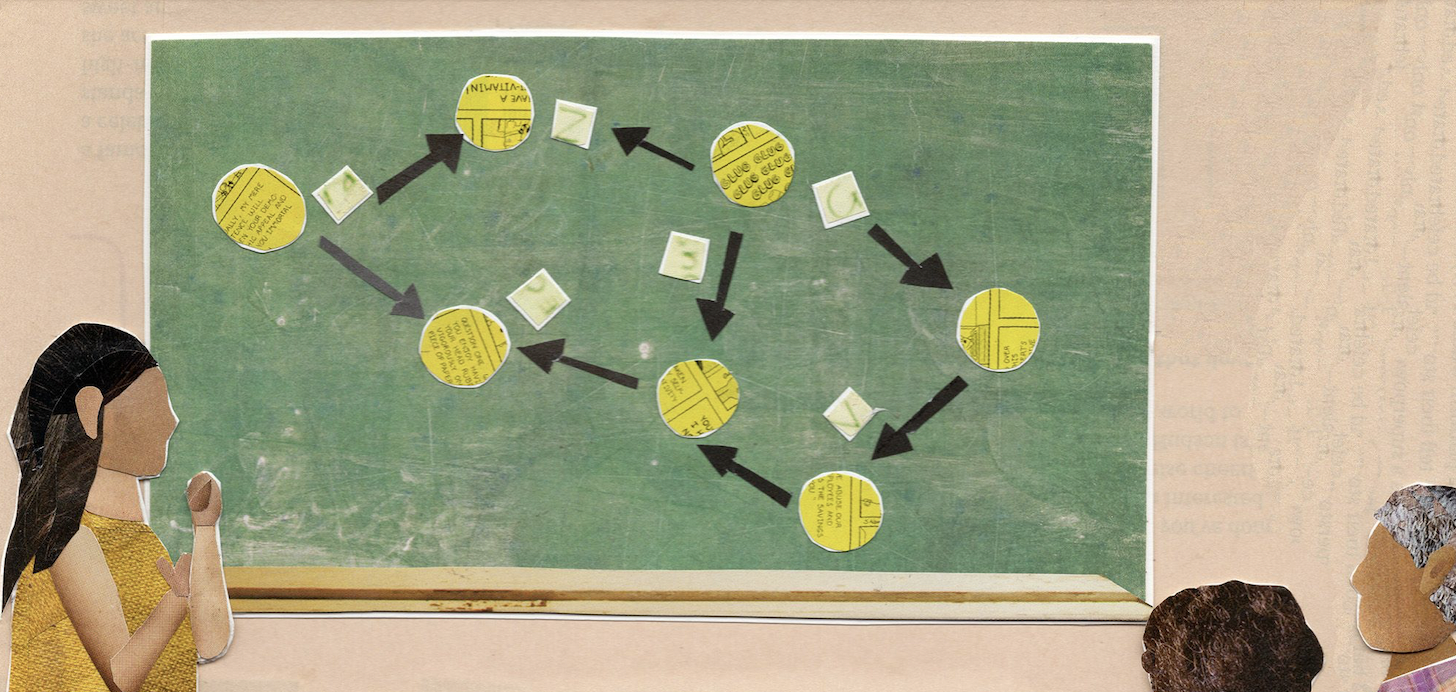
The core of BlueGAP is a systems model focused on local experiences and knowledge to show people the costs and benefits of actions at specific leverage points of nitrogen management. BlueGAP’s human-centered convergence framework fosters coalitions to solve problems that are very challenging for communities to address alone.
Strong Coasts (2022-2028)
University of South Florida, National Science Foundation

Coastal zones provide key services to local communities but also carry significant risks from the land and ocean including threats from waves, storm surges, floods, and sea level rise. Protecting and restoring coastal ecosystems such as coral reefs and mangroves can help mitigate these threats while also supporting local economies and societal resilience.
This project explores risks and benefits to communities in tropical coral reef-dependent areas where replenishing coral reef and mangrove ecosystems has been piloted and can be scaled up to regional and national management levels as “Nature-based Solutions” (NBS). This project is co-creating new knowledge with coastal communities in Florida, the U.S. Virgin Islands, and Belize.
This work advances our understanding of coastal flood and erosion risks and the role of ecosystems and NBS to reduce hazards and socio-environmental risk. The goals are to:
Establish a participatory co-design approach for assessing current and future coastal risks and quantifying the benefits of NBS, including coral reef and mangrove restoration and protection.
Identify strategies that reduce risks while enhancing human well-being, economic recovery, and biodiversity benefits.
Determine how community experiences of risk differ within and across sites, how that affects NBS implementation, and how adaptive capacity to mitigate risk is related to localized impacts.
Strong Coasts (2017-2024)
University of South Florida, National Science Foundation

With 40% of the world's population residing within 100 kilometers of a coast, these environments are critical to local and global economies. In China, the world's largest exporter, more than half of the country's population lives along its industrialized coastlines. Population densities in the United States are highest in coastal counties, representing 39% of the U.S. population. In such densely populated areas, human activity related to the generation and use of food, energy and water has been linked to impacts such as nitrogen pollution that degrades the quality of coastal waters. This degradation affects reef ecosystems, fisheries, and people's economic livelihoods and health. Replenishment requires innovative systems thinking and better consideration of the way food, energy, and water systems are integrated in terrestrial and coastal environments. Systems thinking considers the whole system including engineered infrastructure, the environment, and sociocultural aspects, rather than an assembly of isolated parts. Integrating sociocultural dynamics and meaningful engagement of community stakeholders is fundamental to this approach.
This work focuses on identifying the leverage points (e.g., technological, policy, and organizational) in designing food-energy-water systems in a specific geographic context to improve the sustainability of the overall system across different scales. The project will advance graduate training through:
Transformative training that guides students in conceptualizing the interactions between food-energy-water systems and defining their research questions from a systems perspective;
Context-based interdisciplinary training that includes co-taught courses, multi-discipline field-based training and research experiences that take place in the U.S. and internationally, and strong partnerships with local practitioners and community-grounded organizations;
Learning outcomes that amplify interdisciplinary, 21st century, and local and global competency skills that train graduate students through impactful research across food, energy, and water sectors.